XTI is the trading symbol used in financial markets to represent the price of WTI (West Texas Intermediate) crude oil. Its price is primarily determined by global energy supply and demand conditions, the macroeconomic environment, and capital flows in financial markets. As one of the most important crude oil benchmarks in the world, the price of XTI reflects changes in energy market fundamentals and is also influenced by factors such as monetary policy, movements in the U.S. dollar, and geopolitical events.
2026-05-11 05:50:16
XTI and Brent are two of the most important crude oil price benchmarks in the global energy market. However, they differ significantly in geographic origin, pricing markets, transportation structures, and supply and demand systems. XTI typically refers to the ticker symbol used for WTI crude oil futures on trading platforms, with prices primarily formed in the U.S. futures market. Brent, by contrast, is an international crude oil benchmark based on North Sea oil fields and more broadly reflects the pricing level of globally traded seaborne crude.
2026-05-11 05:50:08
XTI is the trading symbol used in international markets to represent the price of WTI crude oil, commonly shown as XTIUSD. This article provides a systematic explanation of the meaning behind the XTI trading code, its role within the global crude oil pricing system, the mechanisms behind price formation, the influence of supply and demand structures, and the differences between WTI and Brent crude. The goal is to build a comprehensive understanding of the oil market and the broader structure of energy assets.
2026-05-11 05:40:26
CFD, or Contract for Difference, is a financial derivative settled based on changes in asset prices. Traders can participate in market rises and falls without actually holding the underlying asset. CFDs are widely used in stocks, forex, indices, commodities, and cryptocurrency markets, and they are usually combined with leverage to expand trading exposure. The core structure of CFDs includes margin, leverage, spreads, overnight fees, and forced liquidation mechanisms. In essence, CFDs are tools for trading price movements, not for transferring asset ownership.
2026-05-11 03:04:57
The main risks of CFDs include leverage risk, market volatility risk, liquidity risk, overnight financing fees, and platform risk. Compared with traditional spot trading, CFDs place greater emphasis on price movements and short term market changes, so understanding their risk structure is an important foundation for building knowledge of derivatives trading.
2026-05-11 03:00:57
The CFD leverage mechanism refers to a derivatives trading model in which traders use a margin system to control larger positions with less capital. Leverage can improve capital efficiency, but it also magnifies the potential gains and losses caused by market movements. In CFD trading, margin, maintenance margin, leverage ratios, and forced liquidation mechanisms together form the risk management structure.
2026-05-11 02:55:22
A Crypto CFD is a financial derivative that settles based on the price movements of digital assets, enabling traders to earn returns from price volatility without actually owning cryptocurrencies like Bitcoin or Ethereum. Crypto CFDs typically employ margin and leverage mechanisms, allowing users to gain greater marketplace exposure with less capital. Compared to traditional CFDs, Crypto CFDs are more affected by high market volatility, 24-hour trading, and digital asset liquidity. Additionally, Crypto CFDs differ significantly from stock, forex, or commodity CFDs in regulatory frameworks, risk models, and marketplace dynamics.
2026-05-11 02:23:02
CFDs (Contracts for Difference) and Futures are both types of financial derivatives that enable traders to generate returns by speculating on asset price movements. However, they differ significantly in market structure, settlement mechanisms, and risk models. CFDs are generally offered by brokers, feature flexible leverage, and allow trading without a fixed expiration date. Conversely, Futures are standardized products typically traded on exchanges, with clearly defined delivery or expiration mechanisms.
2026-05-11 02:22:46
With the rise of global online trading platforms, Commodity [CFD](https://www.gate.com/learn/articles/what-is-cfd) have become widely adopted across precious metals, energy, and agricultural Marketplace. Unlike traditional Spot Trading, Commodity CFD focus on price fluctuation trading rather than the ownership and delivery of physical goods, making them a major form of trading in the retail derivatives Marketplace.
As digital assets become more integrated with global macro Marketplace, traders are increasingly using Commodity CFD for hedging, short-term trades, and cross-market Asset Allocation.
## What Are Commodity CFDs?
Commodity CFD (Commodity Contracts for Difference) are financial derivatives that enable traders to profit from the price movements of Commodities. With these instruments, users can settle Profit/Loss (PnL) based on the difference between the opening and closing prices—without actually owning physical Commodities like gold, silver, crude oil, or natural gas.
 trading is a derivative trading model that allows users to settle price differences by speculating on asset price movements without holding the underlying asset. A standard CFD trade typically involves selecting an asset, opening a leveraged position, margin freezing, realizing profit or loss (PnL) as prices fluctuate, and ultimately closing the position for settlement. The operation of CFDs encompasses not only buy/sell logic, but also incorporates risk control mechanisms such as spread, overnight fees, maintenance margin (MM), and liquidation procedures.
2026-05-11 02:22:02
CFDs (Contracts for Difference) and Perpetual Futures are both leveraged, two-way financial derivatives, but they have distinct differences in market structure and trading mechanisms. CFDs are usually quoted and provided liquidity by brokers, with trading costs primarily consisting of spreads and overnight financing fees. Perpetual Futures, by contrast, are mainly matched through the order book and rely on a funding rate mechanism to keep prices anchored to the spot market. Compared to CFDs, Perpetual Futures are more prevalent in the cryptocurrency derivatives marketplace and are characterized by higher market transparency and liquidity.
2026-05-11 02:21:51
Trade futures with no settlement date
2026-04-09 10:37:05
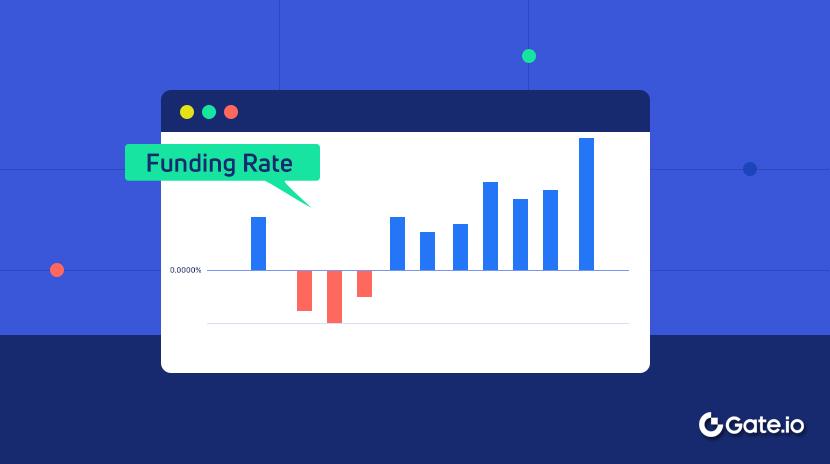
1. Gate Learn has a dedicated contract newbie section to familiarize users with the fundamentals of contracts, as well as to introduce Gate.com's contract products and contract trading rules;
2. This article will introduce the principle of the perpetual contract funding rate, the applications of the funding rate, as well as various knowledge about Gate.com's contract funding rate.
2026-04-09 09:38:34
1. Gate Learn has a dedicated contract newbie section to familiarize users with the fundamentals of futures, as well as to introduce Gate.com's contract products and contract trading rules;
2. This article will go through the three types of futures: U-M perpetual contracts, coin-M perpetual contracts, and delivery contracts. It shall analyze the three forms of futures in terms of concept, and principles and compare their differences.
2026-04-09 09:37:16
Highlights:
1. Gate Learn has a dedicated futures novice section to familiarize users with the fundamentals of futures, as well as to introduce Gate.com's futures products and various futures trading techniques.
2. This article will introduce a practical trading skill for selecting a trading target in future trading.
2026-04-09 08:55:54